Transforming a substantial amount of digital credit, such as a balance of $250, into liquid cash is a process that requires understanding the mechanics of secondary market exchanges. When a user possesses a specific retail gift card and wishes to utilize those funds elsewhere, they must bridge the gap between a closed-loop system and open market currency. This transition often involves finding a trustworthy intermediary who can convert the static value of the card into a transferable payment method, ensuring the user retains the full economic utility of the original asset.
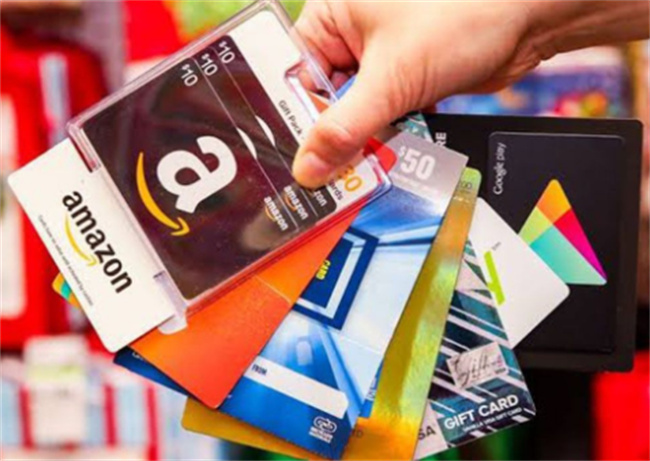
The primary technical method for achieving this exchange is through reputable online marketplaces that specialize in gift card arbitrage. These platforms typically operate by quoting a buyback price for the card based on its current market demand and validity. To execute the transaction, the user must input the card details and often undergo a verification process where they capture a screenshot of the balance to prove authenticity. Once verified, the platform processes the funds, and the money is usually sent via direct transfer or an electronic wallet, providing a seamless path from card to bank account.
However, while the process seems straightforward, there are critical technical and financial risks that must be mitigated to protect the user. It is essential to recognize that most conversion services deduct a service fee from the total value, meaning a $250 card might result in a net payout of significantly less. Furthermore, dealing with unverified third-party apps poses a risk of fraud; users must ensure they are using platforms that utilize secure payment gateways and have established reputations to prevent identity theft or chargebacks.