In Nigeria, there’s a consistent demand for $50 gift cards, as they unlock access to international digital content and services that local payment methods often can’t reach. Many buyers seek these cards to purchase apps, music, movies, or subscriptions from global platforms, making them a practical choice for sellers looking to convert unused cards into local currency. A $50 value strikes a balance—affordable for buyers and meaningful for sellers—making it one of the most traded denominations in the local market.
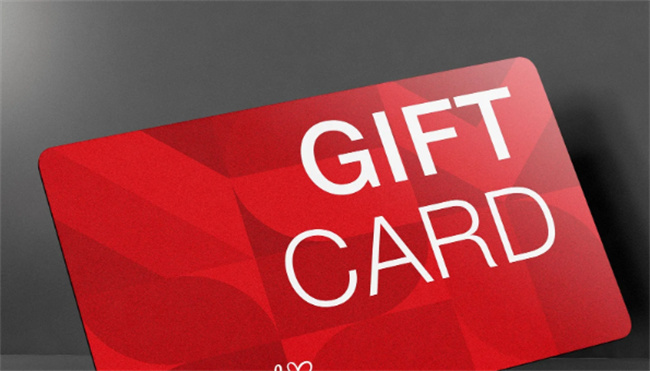
To sell your $50 gift card smoothly, start by choosing a reliable platform. Common options include peer-to-peer (P2P) marketplaces focused on gift card trading, local mobile trading apps, or trusted online communities for digital assets. Prioritize credibility: look for platforms with user reviews, escrow services (to hold funds until the transaction is confirmed), and clear terms of service. Also, confirm support for popular local payment methods like bank transfers or mobile money services, which are widely used in Nigeria.
Before listing, verify your card’s validity to avoid disputes. Check its balance (many platforms offer free balance checks) and confirm it’s not expired or region-locked (some cards only work in specific countries, so note this for buyers). Set a fair price by researching current exchange rates—avoid overpricing (which deters buyers) or underselling (which loses you money). When communicating with buyers, never share the card code or PIN before receiving payment; use escrow if available to protect both parties.
After the sale, keep records of payment confirmations and communication. If a dispute arises (e.g., a buyer claims the card is invalid), use proof like a balance check screenshot to resolve it quickly. Also, stay aware of local regulations around gift card trading to ensure you operate legally. By following these steps, you can safely and efficiently sell your $50 gift card in Nigeria.